
10 Sustainable Fabrics You Should Know

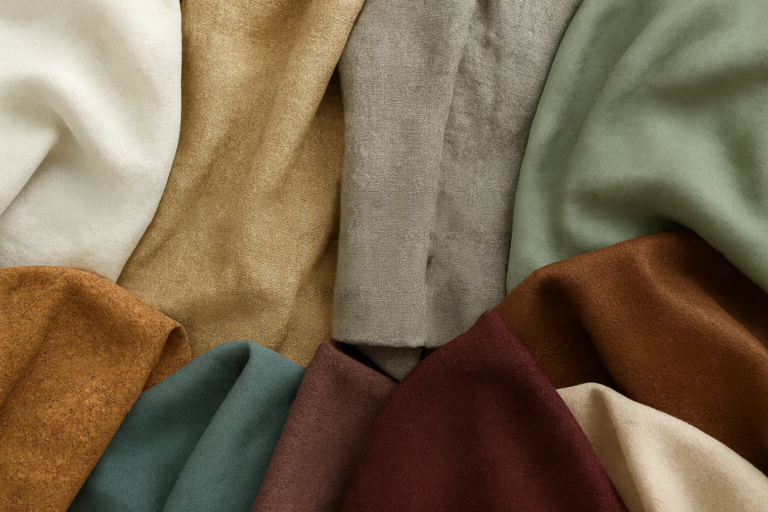
Earth-toned fabric textures arranged in a circular pattern, representing sustainable fashion materials.

Sustainable fabrics are becoming a central part of how people think about fashion today. As conversations around climate change, waste reduction, and conscious consumerism continue to grow, the fashion industry is undergoing a major shift. Shoppers increasingly want clothing that looks good, feels comfortable, and aligns with their values. Understanding what sustainable fabrics are, how they are made, and why they matter is often the first step toward building a more responsible wardrobe.

In this guide, we explore ten sustainable fabrics that are reshaping modern fashion and making responsible choices easier. Whether you are a designer, brand owner, or mindful shopper, these materials help support people, communities, and the planet.

What Are Sustainable Fabrics?

Before diving into the list, it helps to understand what makes a fabric sustainable. While definitions can vary, most sustainable fabrics share several common traits.

They typically have a lower environmental impact during production and disposal. They use less water and energy than conventional textiles. They avoid or reduce toxic chemicals and pesticides. They support ethical working conditions across supply chains. They are biodegradable, recyclable, or designed for long-term use.

Not every fabric meets every standard perfectly. However, each option below offers a meaningful improvement over traditional materials.

1. Organic Cotton

Organic cotton is one of the most recognised sustainable fabrics. Unlike conventional cotton, it grows without synthetic pesticides, fertilisers, or genetically modified seeds.

Why It’s Sustainable

  • Uses significantly less water than conventional cotton

  • Reduces chemical runoff into soil and waterways

  • Supports healthier soil and biodiversity

  • Creates safer conditions for farmers and communities

Where It’s Used

Organic cotton works well for T-shirts, denim, underwear, towels, and everyday basics. It remains breathable, durable, and familiar.

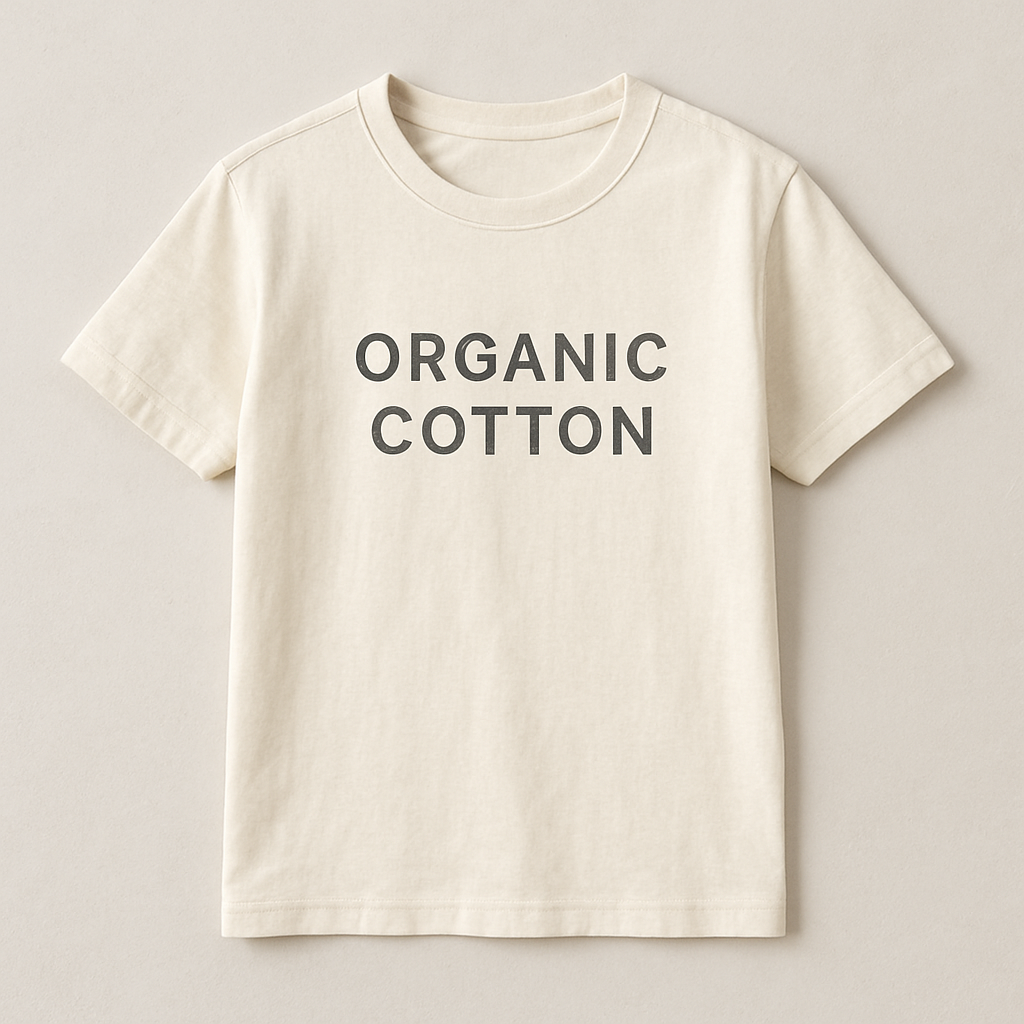
Cream-colored T-shirt made from organic cotton sustainable fabric with a minimalist design.

2. Hemp

Hemp is often considered a sustainability powerhouse. It grows quickly, thrives in many climates, and needs very little water.

Why It’s Sustainable

  • Fast-growing with high yield per hectare

  • Naturally improves soil health

  • Absorbs more CO₂ than many crops

  • Fully biodegradable and long-lasting

Where It’s Used

Hemp appears in clothing, bags, footwear, and home textiles. Modern processing makes it softer and more wearable than in the past.

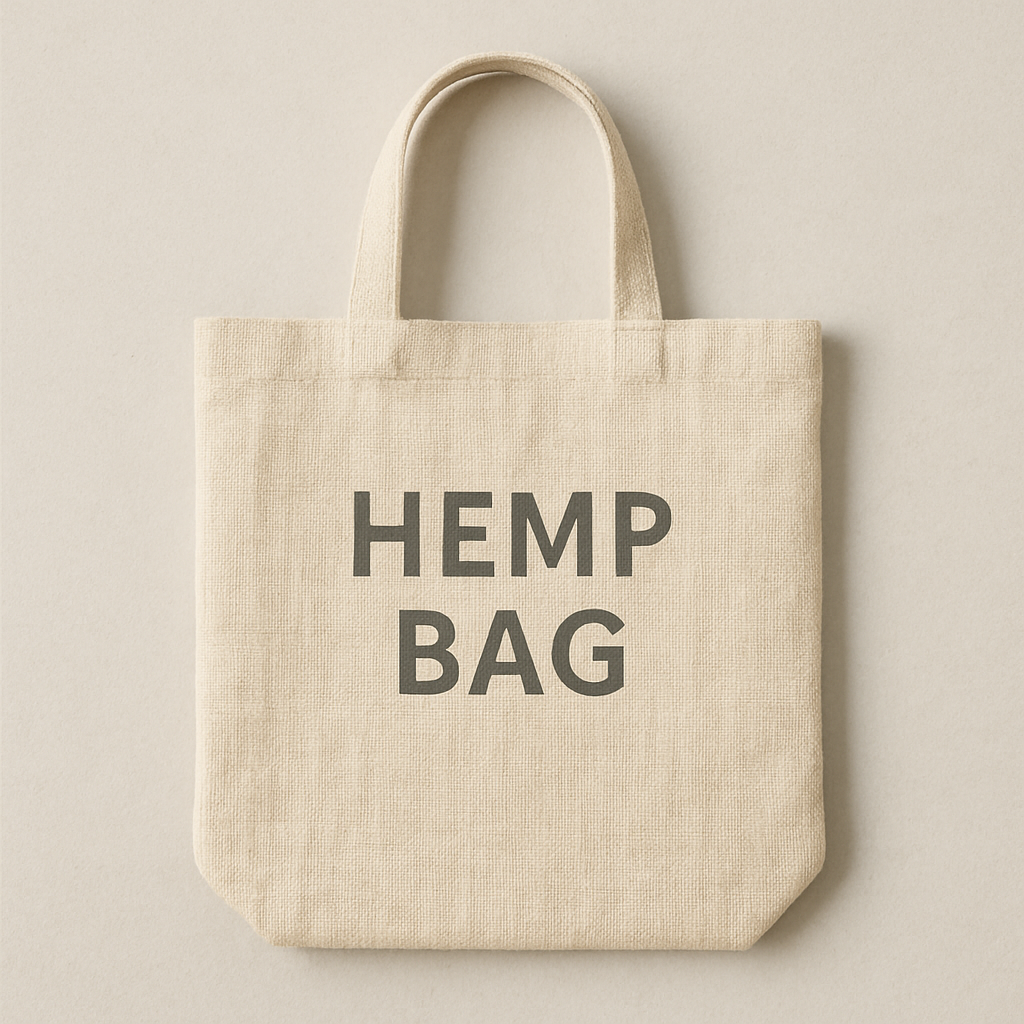
Natural hemp tote bag labeled “hemp bag,” highlighting sustainable powerhouse fabric and eco-friendly design.

3. Linen (Flax)

Made from the flax plant, linen is an ancient fabric with a modern sustainability story. Its natural texture and cooling properties make it ideal for warm climates and minimalist wardrobes.

Why It’s Sustainable

  • Requires minimal water and few (if any) pesticides

  • Every part of the flax plant can be used, minimizing waste

  • Biodegradable and durable

  • Long lifespan compared to many other fabrics
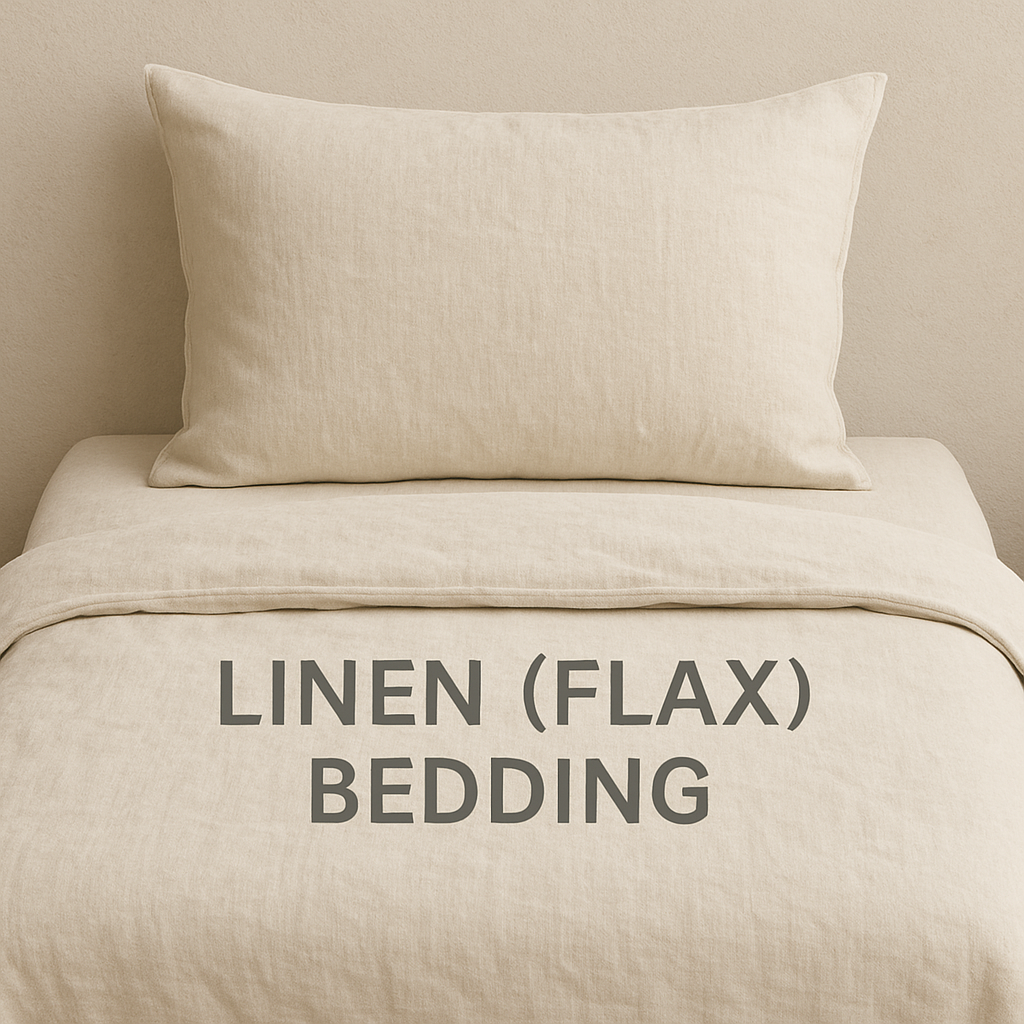
Neutral linen flax bedding set made from sustainable fabric, featuring a minimalist, natural texture.

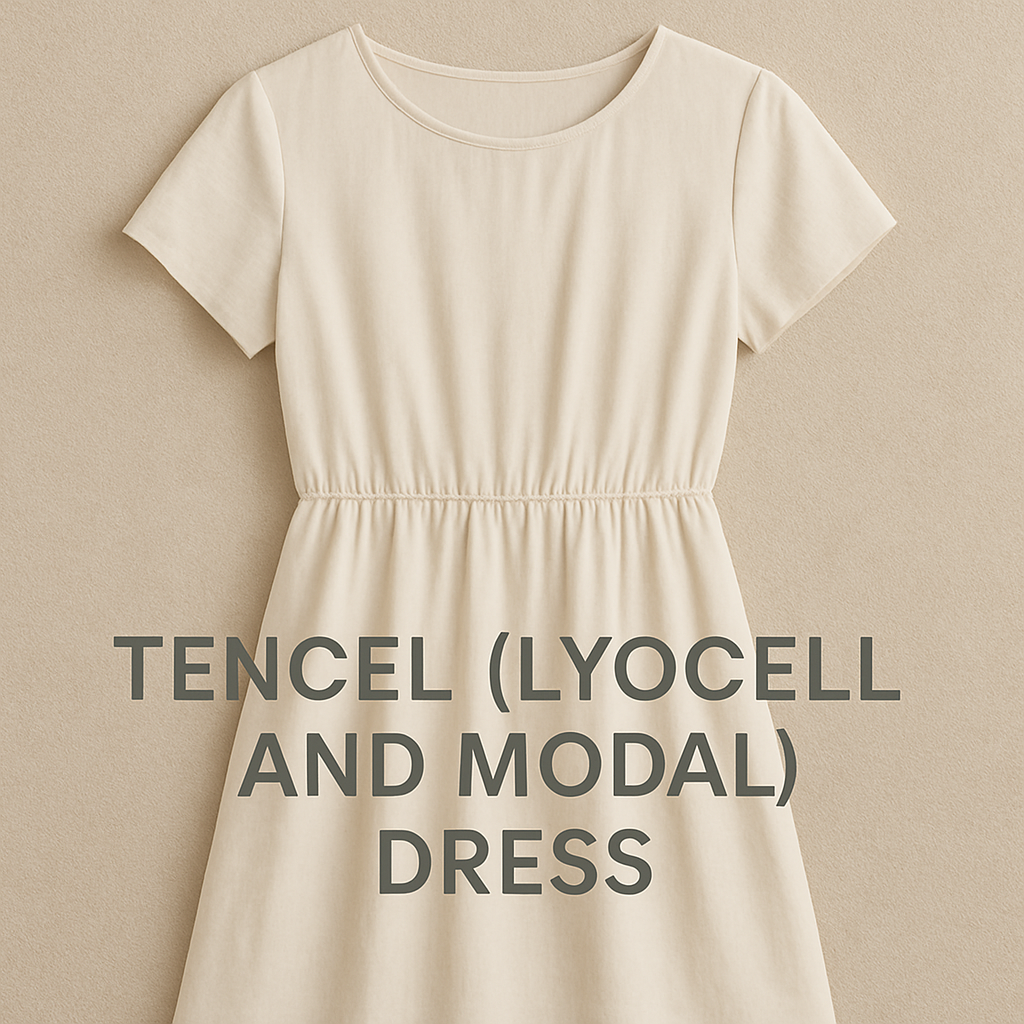
4. Tencel (Lyocell and Modal)

Tencel is a brand name for lyocell and modal fibers produced by Lenzing, an Austrian company known for its ethical and environmentally friendly processes. These fabrics are made from sustainably sourced wood pulp, often eucalyptus, beech, or spruce.

Why It’s Sustainable

  • Produced in a closed-loop system that recycles 99% of solvents

  • Uses less water than cotton or traditional viscose

  • Comes from responsibly certified forests

  • Gentle on skin and extremely soft

Where It’s Used

Tencel is widely used in activewear, dresses, underwear, and bedding. Its silky feel makes it a popular substitute for synthetic satin or rayon.

Cream-colored dress made from Tencel (Lyocell and Modal) sustainable fabric with a soft, minimalist silhouette.

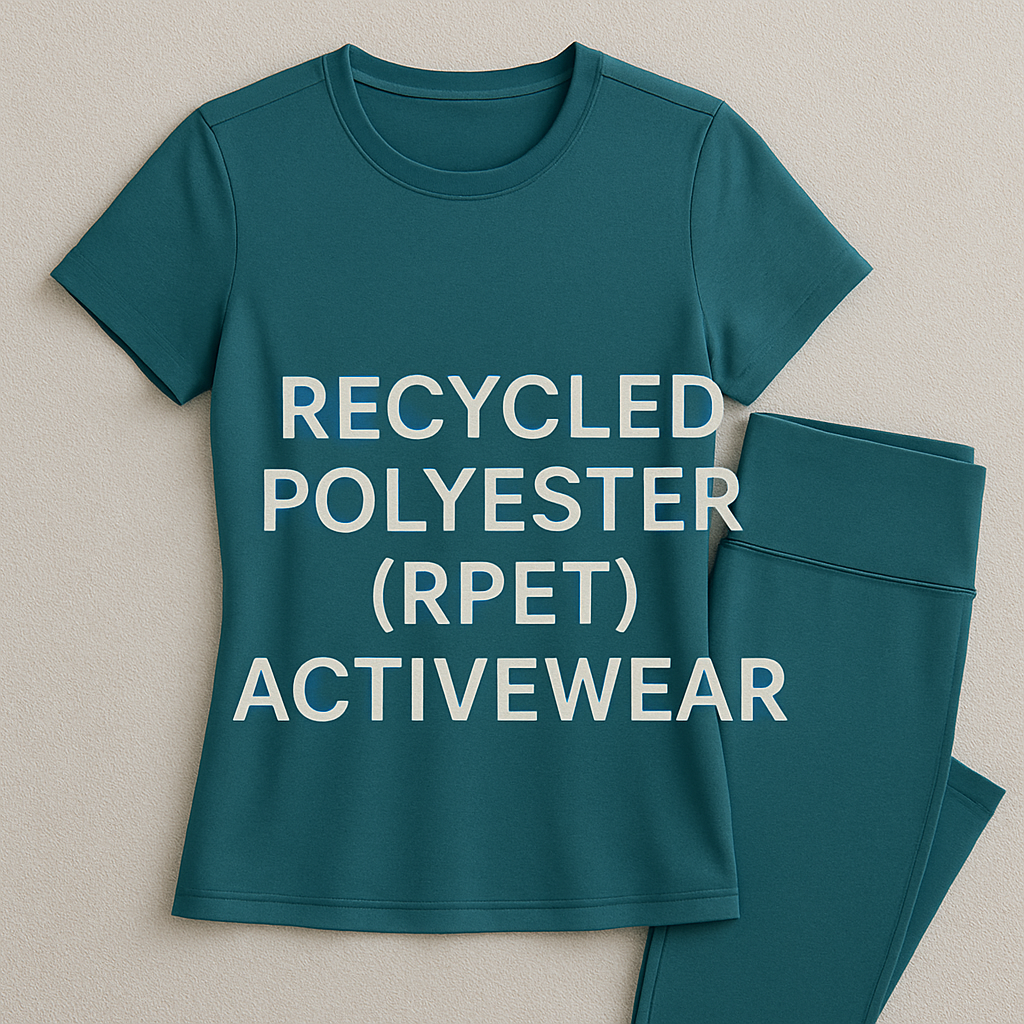
5. Recycled Polyester (rPET)

Though polyester itself is a synthetic fiber derived from petroleum, recycled polyester transforms discarded plastic—mostly water bottles or old textiles—into a new, usable material.

Why It’s Sustainable

  • Diverts plastic from landfills and oceans

  • Reduces the need for fossil fuel extraction

  • Requires less energy than producing virgin polyester

  • Highly durable and long-lasting

Where It’s Used

Performance wear, fleece jackets, swimwear, outerwear, and accessories often rely on rPET for its strength and stretch.

Note: Recycled polyester is not biodegradable, so washing care is important to reduce microplastic shedding. Using a microplastic filter bag or washing machine filter can help.

Teal activewear set made from Recycled Polyester (rPET) sustainable fabric, including a short-sleeve top and leggings.texture.

6. Piñatex

Piñatex is a groundbreaking leather alternative made from pineapple leaf fibers—a waste product of the agricultural industry. Instead of burning or disposing of the leaves, they are repurposed into a non-woven textile.

Why It’s Sustainable

  • Made from agricultural byproducts

  • Reduces waste and supports rural farming communities

  • Cruelty-free leather alternative

  • Requires no additional land, water, or pesticides

Where It’s Used

Shoes, bags, wallets, jackets, and upholstery. Piñatex has become a favorite among vegan fashion brands.

Minimalist upholstered chair made with Piñatex Sustainable Fabric, featuring a light neutral finish and wooden legs.

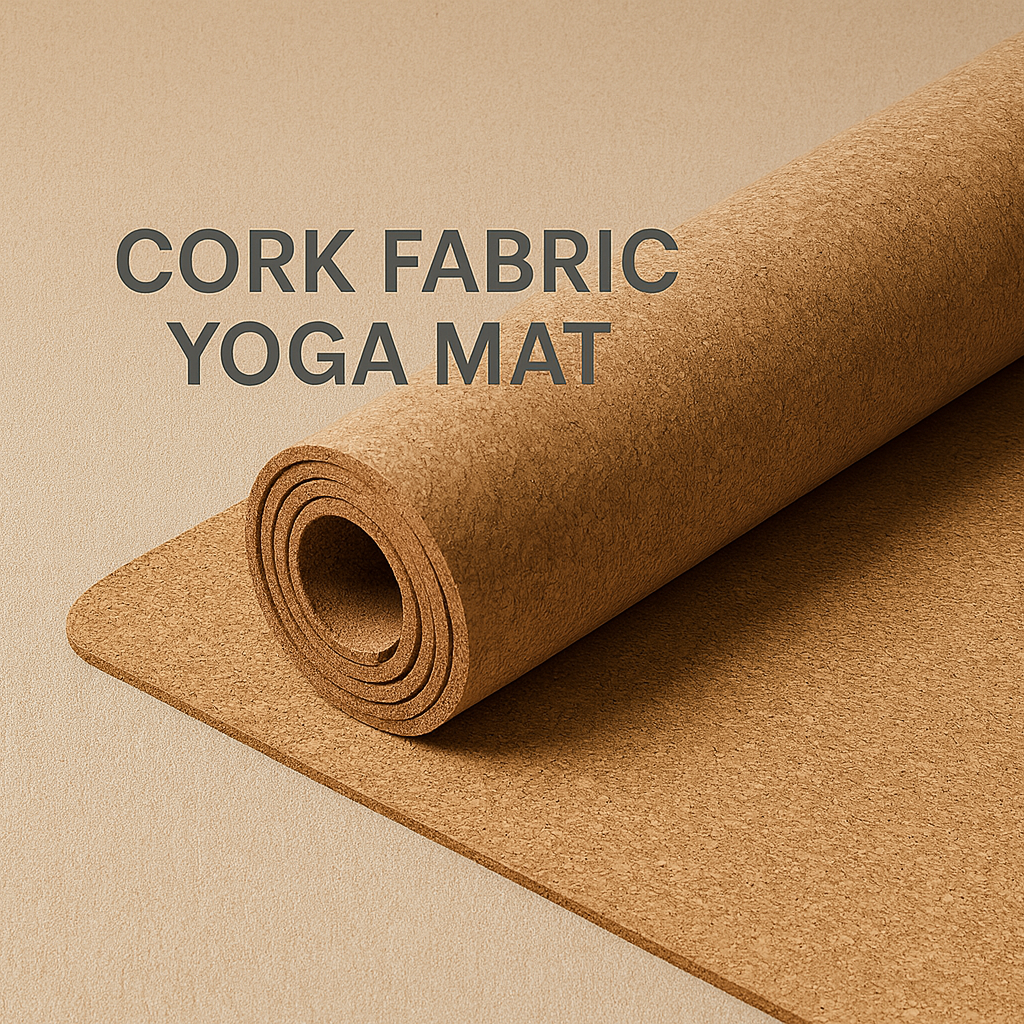
7. Cork Fabric

Cork isn’t just for wine bottles—it’s also a high-performing, sustainable fabric. Harvested from the bark of the cork oak tree, cork extraction does not harm the tree and can be repeated every 9–12 years.

Why It’s Sustainable

  • Trees continue to grow and absorb CO₂ after bark removal

  • Completely renewable, recyclable, and biodegradable

  • Naturally waterproof, lightweight, and durable

Where It’s Used

Bags, accessories, shoes, yoga mats, and upholstery. Cork fabric has a beautiful natural texture and is often compared to leather.

Modern upholstered chair crafted with cork Sustainable Fabric, showcasing a plant-based leather alternative with a clean, minimalist design.

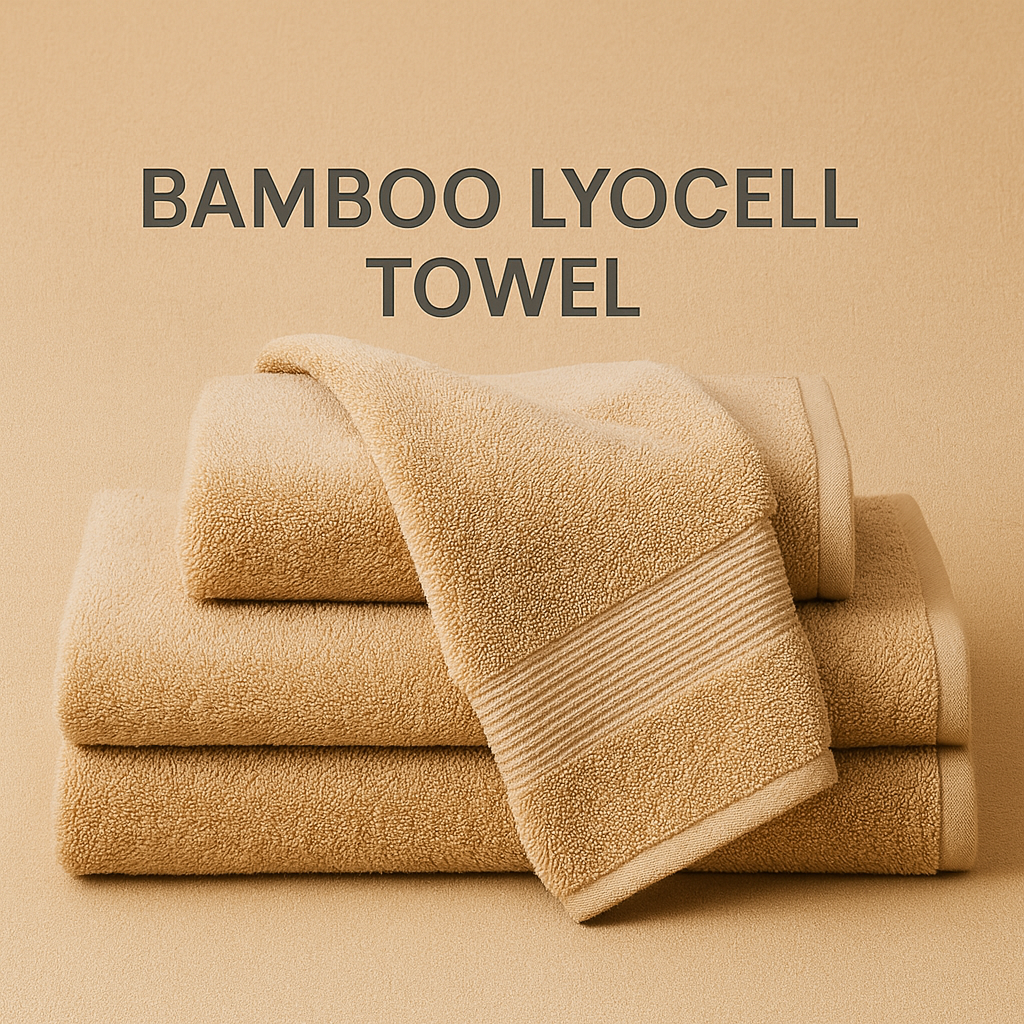
8. Bamboo Lyocell

Bamboo is often marketed as eco-friendly, but not all bamboo fabrics are created equal. Bamboo viscose is processed using harsh chemicals. However, bamboo lyocell, made through a closed-loop process, is truly sustainable.

Why It’s Sustainable

  • Bamboo grows rapidly without pesticides

  • Closed-loop production reduces chemical waste

  • Soft, antimicrobial, breathable, and biodegradable

Where It’s Used

Sheets, towels, loungewear, underwear, and activewear.

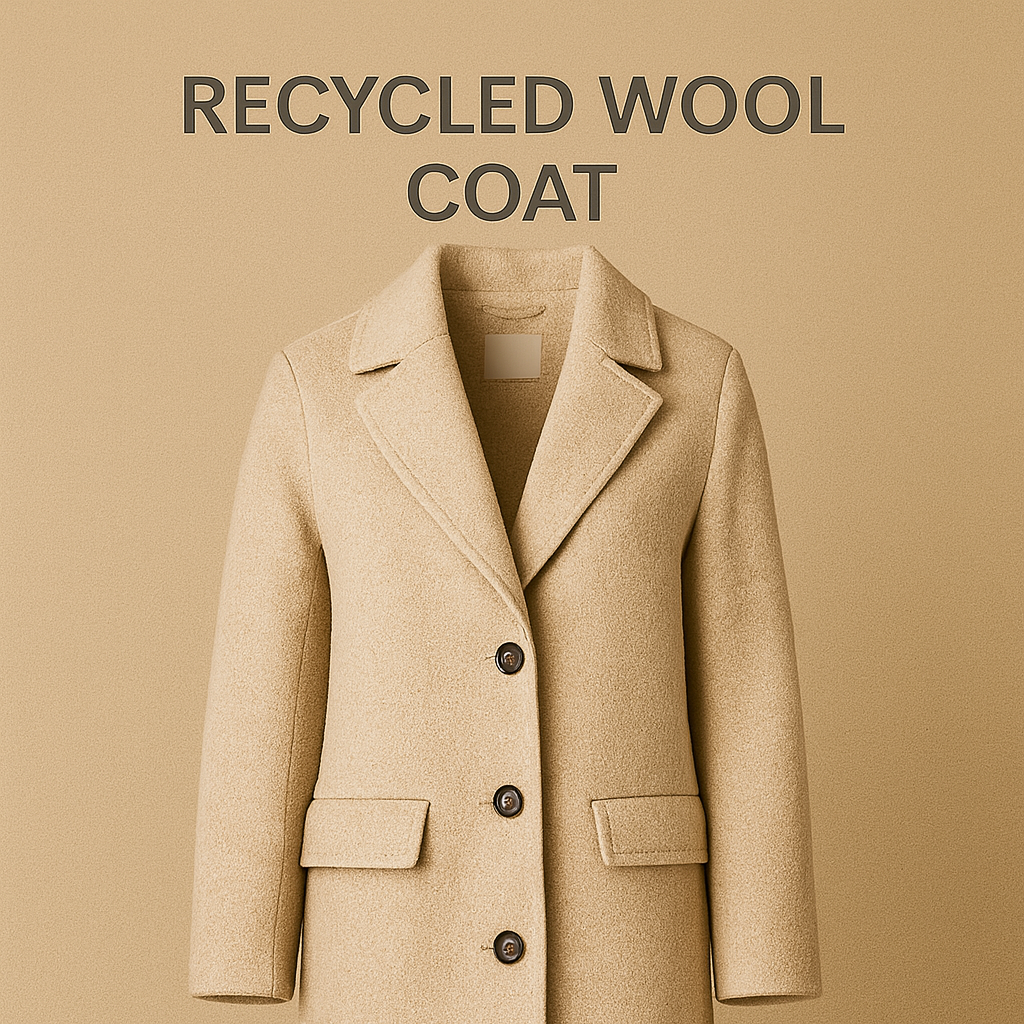
Coat made from recycled wool fabric with a clean, minimalist design and structured silhouette.

9. Recycled Wool

Recycled wool gives new life to discarded wool garments—and significantly reduces the environmental footprint of producing virgin wool.

Why It’s Sustainable

  • Conserves water, energy, and dyes

  • Reduces textile waste

  • Naturally biodegradable

  • Maintains warmth and durability

Where It’s Used

Coat linings, blankets, knitwear, hats, scarves, and upholstery.

Coat made from recycled wool fabric with a clean, minimalist design and structured silhouette.

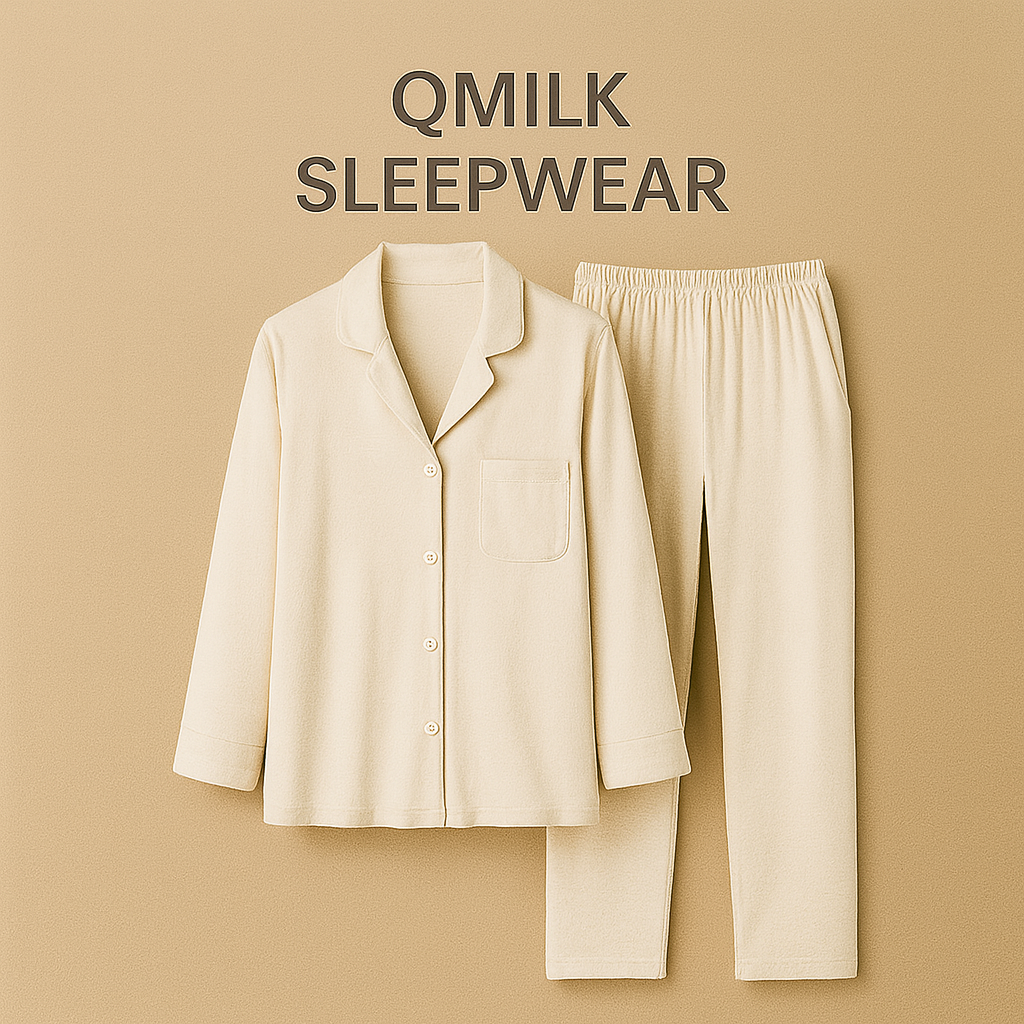
10. QMilk / Milk Fiber

One of the more innovative sustainable fabrics, QMilk is made from casein—the protein found in milk that would otherwise be thrown away due to spoilage or surplus.

Why It’s Sustainable

  • Uses waste from the food industry

  • Requires minimal water for production

  • Fully biodegradable

  • Smooth, hypoallergenic, and temperature regulating

Where It’s Used

High-end garments, soft textiles, and luxury sleepwear often incorporate milk fiber for its silky texture.

Soft sleepwear pyjamas made from QMilk (Milk Fiber), featuring a smooth texture and comfortable, relaxed fit.

FAQ About Sustainable Fabrics

Loader image

Yes. Sustainable fabrics typically use less water and energy, avoid toxic chemicals, and reduce waste compared to conventional materials.

Some sustainable fabrics cost more upfront. However, they often last longer, which can reduce replacement costs over time.

There is no single “most sustainable” fabric. Options like hemp, linen, organic cotton, and Tencel each offer different environmental benefits.

Recycled polyester is more sustainable than virgin polyester because it reuses existing plastic. However, it is not biodegradable and can shed microplastics.

Only bamboo lyocell is truly sustainable. Bamboo viscose uses harsh chemicals, while bamboo lyocell relies on a closed-loop process.

Look for trusted certifications such as GOTS, OEKO-TEX, FSC, Fair Trade, or Bluesign. These indicate safer and more ethical production.

Often, yes. Many sustainable fabrics are designed for durability, breathability, and long-term wear rather than fast fashion cycles.

Most do not. Washing in cold water, air drying, and avoiding over-washing helps extend garment life and reduce environmental impact.

Fashion has a significant environmental footprint. Choosing sustainable fabrics helps reduce emissions, pollution, and waste while supporting ethical supply chains.